
.png)

Quảng Ngãi is seen as having strong development potential thanks to its strategic location on the North–South and East–West economic corridors, connecting the East Sea and Southeast Asia, creating advantages for the marine economy.
The province has abundant land resources and improving infrastructure in economic and industrial zones, notably the Dung Quất Economic Zone, covering more than 45,000 hectares.
The zone is one of five key coastal economic zones prioritised by the Government for investment and preferential policies, with plans to develop into a national centre for oil refining and energy, including petrochemicals and gas-fired power. This is expected to attract strategic investors and create breakthroughs in socio-economic development.
The province also boasts significant forest resources, diverse flora, valuable forest products and medicinal plants such as Ngọc Linh ginseng, as well as strong potential for renewable and clean energy.
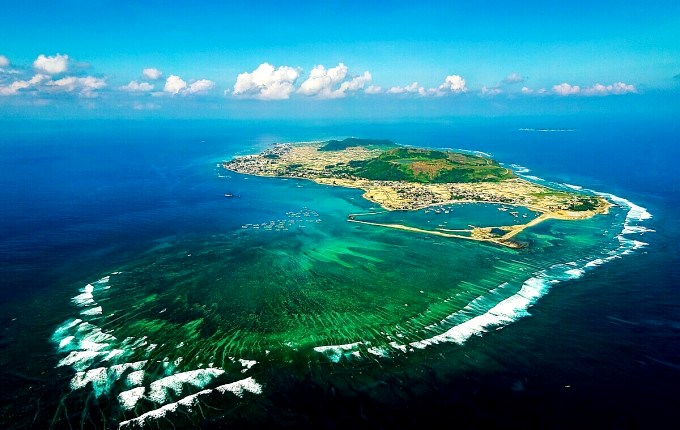
Tourism is supported by natural, historical and cultural heritage sites, including Lý Sơn Island and Măng Đen eco-tourism area. Major transport routes such as the eastern North–South Expressway, National Highway 1, and east–west corridors enhance connectivity and create favourable conditions for logistics and regional linkages.
With 63.79 per cent of its workforce trained and 65 per cent of the population of working age, Quảng Ngãi is benefiting from a “golden population” period, providing an important advantage for future growth.


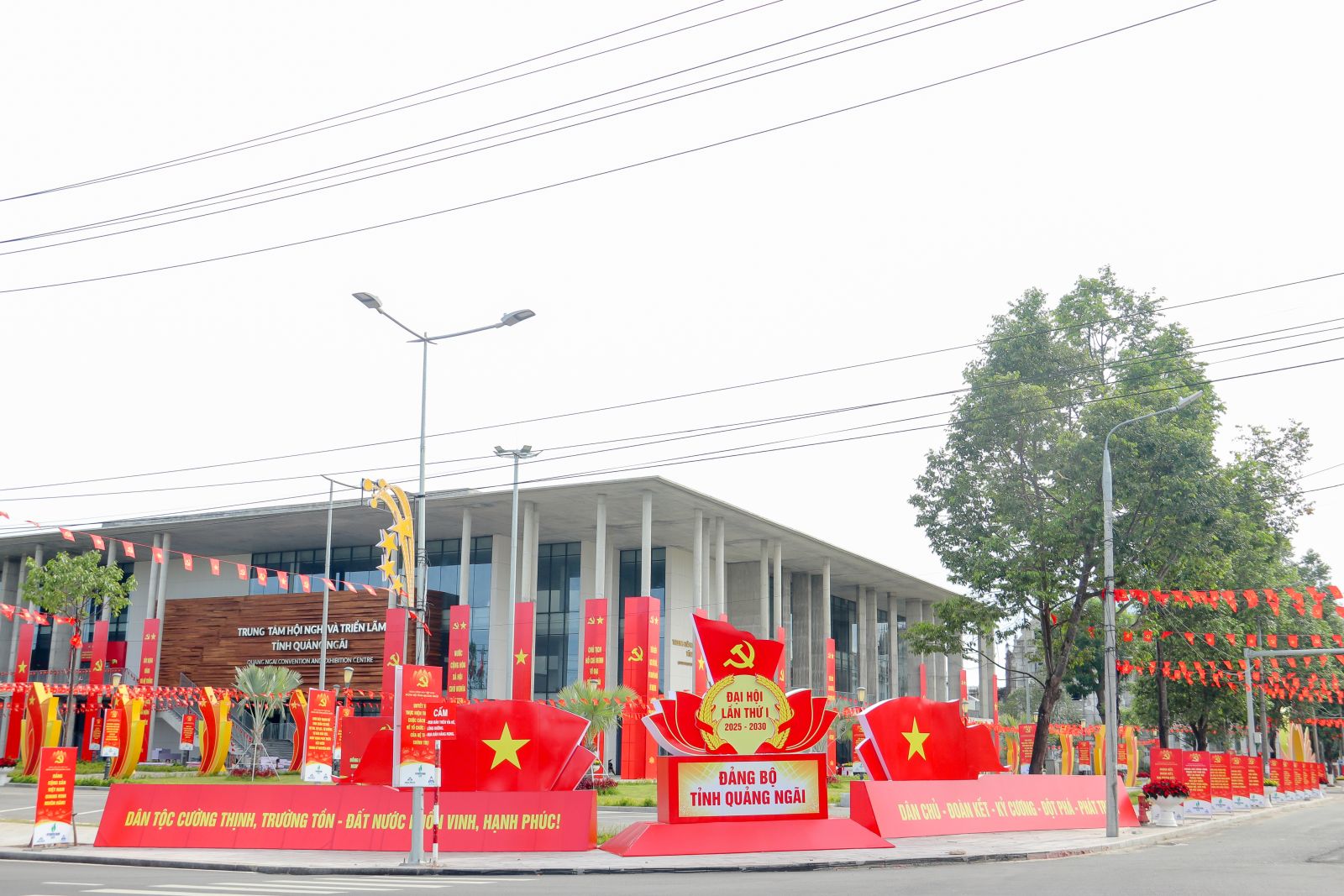
In 2026, Quảng Ngãi aims to effectively implement the Resolution of the first Provincial Party Congress for the 2025–2030 term, focusing on five key tasks and three strategic breakthroughs identified for the period.
The province will promote sustainable growth based on three pillars: industry, services and high-tech agriculture, closely linked with environmental protection and climate change adaptation.
Priority will be given to mobilising and efficiently using resources, developing synchronised infrastructure, especially transport connectivity, smart urban areas, and economic and industrial zones, and effectively implementing national target programmes.
Authorities will continue to support businesses and residents by promptly addressing obstacles in production and business activities and further improving the investment climate.
Comprehensive digital transformation in government, enterprises and society will be accelerated, alongside stronger application of science, technology and innovation to improve productivity and quality.
The province will also focus on healthcare, education, culture and social development, ensuring social security, improving living standards, reducing poverty sustainably and narrowing regional disparities.
Efforts will be made to streamline the administrative apparatus, enhance discipline and accountability, promote administrative reform, and strengthen anti-corruption and waste prevention measures, while reinforcing public communication and consensus to foster trust and social cohesion.
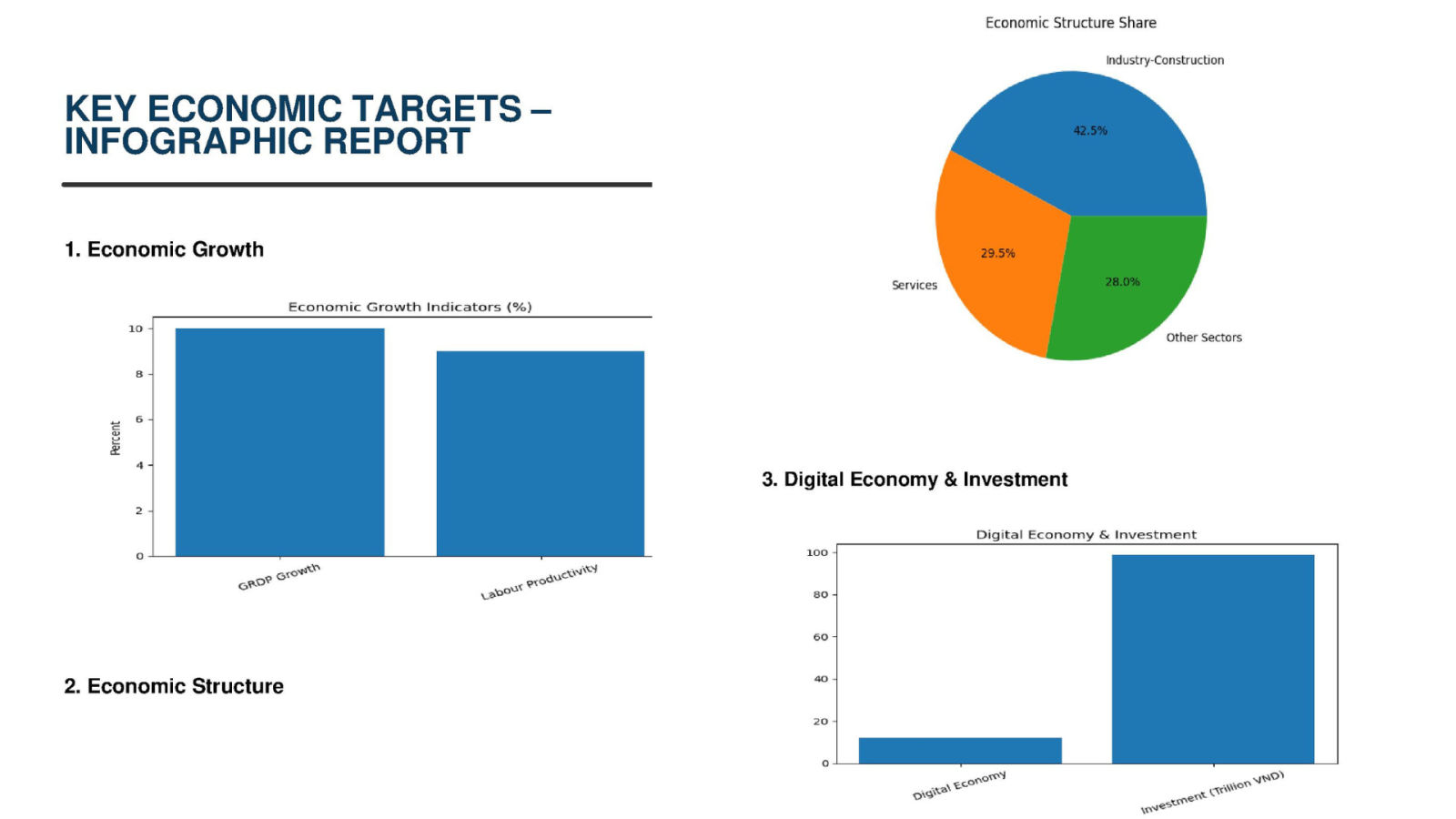
The targets are based on the province’s 2025 performance, forecasts of domestic and global conditions, and assessments by relevant sectors and agencies. The province will continue to effectively implement five key tasks and three strategic breakthroughs for the 2025–2030 period, alongside national target programmes.
Key economic targets
Gross Regional Domestic Product (GRDP) to grow by 10 per cent.
Labour productivity to increase by 8.5–9.5 per cent.
GRDP per capita to reach approximately US$4,460.
Average per capita income to rise by 9–10 per cent.
Industry–construction and services to account for 71–72 per cent of GRDP, of which industry–construction will make up 42–43 per cent.
Digital economy to contribute 12 per cent of GRDP.
Total social investment capital to reach VNĐ98–100 trillion.
Cultural and social targets
10.2 doctors per 10,000 people and 35.18 hospital beds per 10,000 people (excluding commune-level health stations).
At least 57.2 per cent of preschools and 75.6 per cent of general education schools to meet national standards.
Agricultural labour to account for 40.7 per cent of the total workforce.
25.66 per cent of workers to hold formal qualifications or certificates.
Multidimensional poverty rate to fall to 1.47 per cent.
Environmental targets
Forest coverage rate to reach 59.65 per cent.
Urbanisation rate to exceed 30.6 per cent.
Defence and security targets
100 per cent of commune-level administrative units to meet standards of strong national defence, with around 70 per cent achieving comprehensive strength.
At least 80 per cent of residential areas, commune-level administrative units, agencies, enterprises and educational institutions to meet standards for security and social order each year.
Provincial leaders said the targets aim to ensure sustainable growth, improve living standards and strengthen defence and security, laying a solid foundation for the 2026–2030 development period.
.png)
The province will focus on effectively implementing state budget revenue and expenditure measures, ensuring fiscal discipline and efficient allocation of resources to priority sectors, development investment, social welfare, and national defence and security.
.png)
Quảng Ngãi will continue restructuring its economy and shaping a new growth model centred on higher productivity, quality, efficiency, added value and competitiveness. Industrialisation and modernisation will be accelerated, with science and technology, innovation and digital transformation serving as key drivers.
The province will implement the Politburo’s Resolution No. 68-NQ/TW on private sector development, identifying the private economy as a crucial growth engine. The cooperative sector, collective economy, foreign-invested sector and other economic components will also play important roles.
Priority will be given to attracting large-scale foreign direct investment (FDI) projects in semiconductors, artificial intelligence (AI), innovation, digital transformation, smart supply chains and clean energy. Projects involving technology transfer, high-quality workforce training and value-chain linkages between domestic and foreign enterprises will be encouraged.
The province will strictly implement national and regional master plans, including adjustments to the provincial master plan for 2021–2030 with a vision to 2050, and planning for the Dung Quất Economic Zone towards 2045. Preparations will also be made for the 2026–2030 socio-economic development plan and urban and rural planning in line with relevant laws.
Quảng Ngãi will accelerate industrial development in line with its strategy to build Dung Quất into a national refining and energy centre, and to develop Lý Sơn Island into a marine tourism hub.
Investment will focus on strategic economic corridors, particularly the East–West corridor, linked to border trade, marine economy, industry and tourism.
The province will mobilise and efficiently use resources to develop shared infrastructure with regional connectivity, while strengthening coordination with neighbouring localities to promote investment and regional development.
.png)
.png)
The economic structure will continue shifting towards a higher share of industry and services and a lower share of agriculture.
Industrial development will follow an ecological and sustainable approach, prioritising high-tech, clean, processing and manufacturing industries capable of integrating deeply into regional and global value chains.
Dung Quất Economic Zone will remain a focal point for heavy industry, port logistics and large-scale projects requiring deep-water ports and extensive land use.
Supporting industries for steel production, mechanical engineering, export processing, and port and logistics services will also be prioritised.
The province will review and address delayed urban and residential projects to improve land use efficiency and create favourable conditions for new investment.
Efforts will be made to facilitate key projects, including the expansion of the Dung Quất Oil Refinery, the Hòa Phát Dung Quất 2 integrated steel complex, the Dung Quất gas-fired power plants, and VSIP II Quảng Ngãi Industrial Park.
The province will also implement the National Power Development Plan VIII, accelerating wind, solar and hydropower projects to ensure timely completion and operation, contributing to energy security and sustainable growth.
Provincial leaders affirmed that these measures aim to create breakthroughs in growth, enhance competitiveness and lay a solid foundation for rapid and sustainable development in the 2026–2030 period.
.png)

Authorities of Quảng Ngãi Province are accelerating the development of diverse, high-quality service sectors with high added value, with tourism identified as a key growth driver.
The province will prioritise sectors where it holds competitive advantages, maximising the potential of its natural landscapes, cultural identity, historical relics and tangible and intangible heritage to attract visitors.
Promotion efforts will focus on distinctive tourism products such as marine and island tourism, eco-tourism, cultural and community-based tourism, and spiritual tourism. At the same time, Quảng Ngãi aims to expand high value-added services in e-commerce, finance and banking, healthcare, education, logistics and emerging digital economy services.
The province will continue effectively implementing the national strategy for service sector development for 2021–2030, with a vision to 2050.
Quảng Ngãi plans to leverage its cultural and historical values to shape a tourism development triangle centred on Lý Sơn Island, Măng Đen and the Special National Relic of Sa Huỳnh Culture.
Tourism development will follow the orientation of “three countries, one destination,” promoting cross-regional connectivity. The province will form tourism routes linking highlands and coastal and island areas, highlighting diverse cultural identities, especially those of ethnic minority communities and the distinctive heritage of the Central Highlands.
A wide range of tourism products will be developed, including eco-agriculture tourism, cultural and historical tourism, resort tourism and community-based tourism, with priority given to unique and locally distinctive offerings.
The province will work to develop Mỹ Khê Beach tourism area into a nationally recognised tourism site, while positioning Măng Đen as a major eco-tourism and resort centre.
Quảng Ngãi also aims to attract strategic investors to develop large-scale, high-quality urban, service and resort-entertainment complexes along the Dung Quất–Sa Huỳnh coastal route, Lý Sơn Special Zone, Thạch Bích–Núi Chúa area and Mount Cà Đam.
Efforts will be stepped up to strengthen branding, promotion and tourism marketing to enhance the province’s visibility and competitiveness in domestic and international markets.
Authorities of Quảng Ngãi Province are accelerating the development of agriculture, forestry and fisheries towards greater efficiency, sustainability and higher added value.
The province will continue restructuring its agricultural sector by focusing on key and region-specific products, improving productivity, quality and competitiveness, and enhancing climate resilience.
Priority will be given to expanding major crops, including 14,000 hectares of fruit trees, 4,447 hectares of macadamia and around 3,422 hectares of Ngọc Linh ginseng, with about 500 hectares to be newly planted. The development of medicinal plants will be closely linked to genetic resource protection and brand building. Cold-climate coffee will also be restored and expanded.
Efforts will be strengthened to connect markets, promote products and build agricultural brands, aiming to expand domestic and export markets and enhance the province’s agricultural reputation internationally. Production linkages will be expanded, including the “four-house” model connecting farmers, enterprises, scientists and the State. The One Commune One Product (OCOP) programme will continue to support distinctive and competitive local products.
The province will further develop its marine economy in line with the national strategy on sustainable marine economic development to 2030, with a vision to 2045. Priority areas include marine industry, services, tourism, aquaculture, offshore fishing, seafood processing, port infrastructure and logistics.
Fisheries development will follow a modern and sustainable approach, upgrading fishing fleets and improving offshore fishing efficiency while expanding high-value aquaculture. Authorities will strictly implement urgent measures to address the European Commission’s warning against illegal, unreported and unregulated (IUU) fishing.
Forest management, protection and development will be strengthened, especially for natural and protective forests. Strict measures will be taken against illegal encroachment, logging and biodiversity exploitation. The province aims to maintain forest coverage at 59.65 per cent, while promoting sustainable forestry linked to biodiversity conservation and carbon value development.
In livestock farming, facilities will be relocated from restricted areas, gradually shifting from small-scale household farming to concentrated, high-tech and biosecure models. The livestock sector will be developed in a synchronised manner, improving productivity, processing capacity, product quality and market supply.
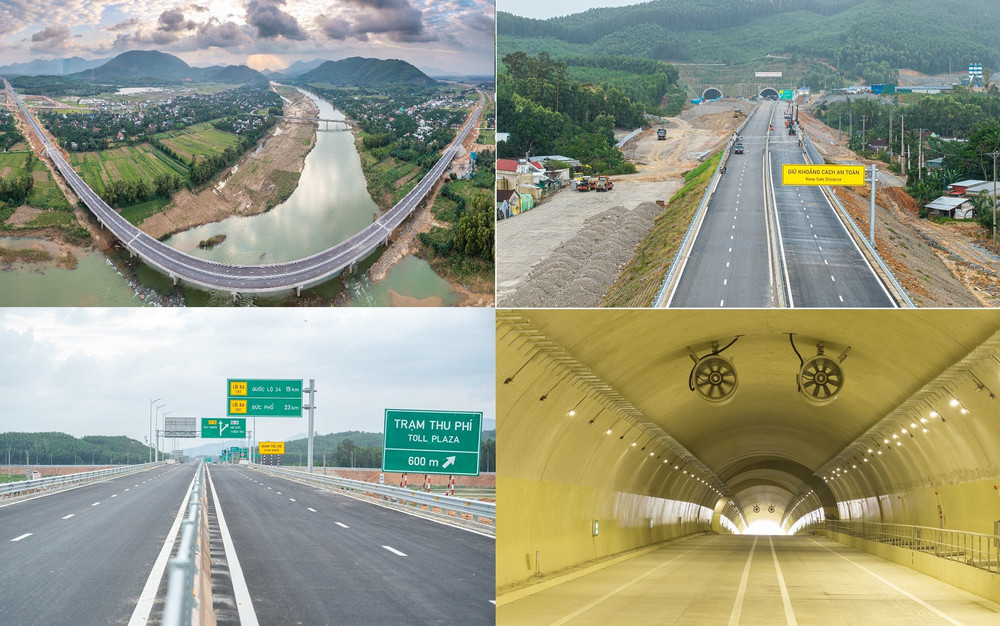
Authorities of Quảng Ngãi Province are accelerating the development of synchronised and modern infrastructure while promoting urban expansion and new-style rural development.
The province is coordinating closely to speed up major transport projects, including the eastern North–South Expressway section from Quảng Ngãi to Hoài Nhơn and the North–South high-speed railway. Preparations are also being expedited for the Quảng Ngãi–Kon Tum Expressway and the upgrade of National Highway 24.
The province will study and implement further steps to develop Măng Đen Airport once it is officially added to the national airport system master plan. Progress is also being accelerated for key connectivity projects such as the Thạch Bích–Tịnh Phong road, the Dung Quất–Sa Huỳnh coastal road (Phase II), and other major urban and inter-regional routes.
Urban development will focus on breakthroughs in technical and social infrastructure, moving towards ecological, smart and climate-resilient cities. Plans include the gradual formation of eco-smart urban areas along the Trà Khúc and Đăk Bla rivers, combining natural conservation with modern development.
Growth poles will be developed in areas with strong potential, including Southeast Dung Quất and Măng Đen. The Dung Quất Economic Zone and industrial parks will be expanded under a multi-centre model, strengthening regional connectivity.
Quảng Ngãi will also implement national policies on social housing, contributing to the Government’s programme to build at least one million social housing units for low-income earners and industrial workers in the 2021–2030 period.
In rural areas, the province will continue effectively implementing the National Target Programme on new-style rural development in a comprehensive and sustainable manner, linked to urbanisation and rural economic growth. Efforts will focus on improving living standards and maintaining development achievements in ethnic minority communities.
.png)
Authorities in Quảng Ngãi Province are intensifying efforts to improve natural resource management, protect the environment and enhance disaster preparedness amid climate change.
The province is raising the quality of land administration and tightening control over the exploitation of natural resources and minerals, with strict penalties for violations. Measures are also being taken to protect and use water resources efficiently and sustainably.
Local authorities are encouraging green investment projects that use energy and resources economically and generate low greenhouse gas emissions, contributing to sustainable development goals. Projects using outdated technologies or consuming excessive resources will not be accepted.
Environmental impact assessments will be conducted rigorously for investment projects, while inspections and supervision of environmental protection will be strengthened. The province aims to address pressing issues related to waste and pollution and gradually promote the development of a circular economy.
Quảng Ngãi is also enhancing disaster prevention and climate adaptation measures. Authorities are tightening the management and safety inspections of dams and irrigation reservoirs, particularly ahead of the rainy and flood season.
Communication campaigns will be stepped up to raise community awareness and promote community-based disaster risk management, especially in areas frequently affected by natural disasters. Forces, equipment and logistics will be reviewed and strengthened to ensure effective disaster response under the “four on-the-spot” principle, minimising unexpected risks and losses.
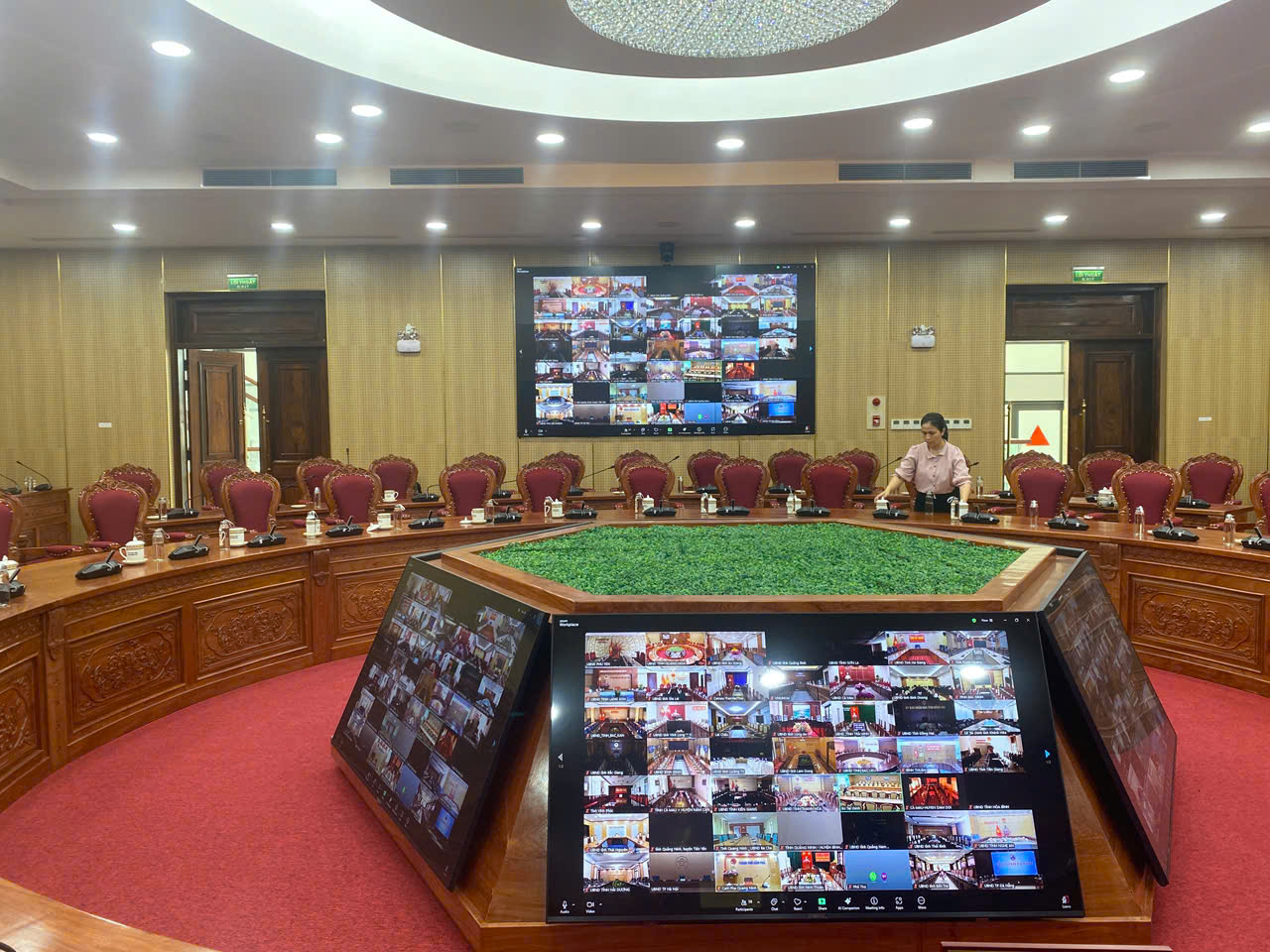
Authorities in Quảng Ngãi Province are stepping up efforts to improve governance effectiveness, promote administrative reform and accelerate digital transformation.
The province is reforming the civil service system and improving the quality of officials and public employees to meet the requirements of the two-tier local government model. A plan to develop the Provincial Administrative Reform Index for the 2025–2030 period is being prepared.
All unnecessary, overlapping or unclear business and investment conditions will be reviewed and removed. Inspections will be strengthened to ensure strict compliance with administrative discipline.
The province is implementing measures to improve its performance in six key indices, including the PAR INDEX, the Provincial Competitiveness Index (PCI), the Provincial Governance and Public Administration Performance Index (PAPI), the Satisfaction Index of Public Administration Services (SIPAS), the Provincial Digital Transformation Index (DTI) and the Provincial Innovation Index (PII).
Public service units are being reorganised to ensure streamlined and effective operations, alongside stronger decentralisation and clearer delegation of authority under the two-tier governance model. Job positions within agencies and localities are being finalised to serve as a basis for staff restructuring and payroll reduction in line with regulations.
Quảng Ngãi is also promoting digital transformation among businesses and in logistics services. Priority is given to developing postal services as delivery and logistics infrastructure for e-commerce, expanding telecommunications infrastructure to support the digital economy, and increasing the application of information technology across all sectors.
Online public services will continue to be expanded, with a higher proportion of administrative procedures provided fully online. The province is implementing digital transformation across three pillars: digital government, digital economy and digital society.
Efforts will focus on developing digital platforms to better serve organisations, businesses and citizens; supporting the formation of digital and technology enterprises; and expanding broadband and fibre-optic coverage.
At the same time, the province will strengthen cybersecurity through awareness campaigns and skills training, while enhancing monitoring to promptly address harmful and false information online, ensuring a safe and healthy digital environment.

Authorities in Quảng Ngãi Province are reinforcing national defence and security while improving the effectiveness of internal affairs and external relations.
The province is enhancing monitoring, forecasting and assessment of the situation to maintain political stability and ensure social order. Potential risks, particularly complaints related to economic development projects, will be addressed promptly to prevent the emergence of security hotspots.
High-level crackdowns will be launched against dangerous crimes, including organised gangs, illegal lending, theft and business extortion. State management of security and order will be strengthened through the effective use of the National Population Database and digital utilities under the Government’s Project 06 to support social management and crime prevention.
Traffic patrols and inspections will be intensified with the aim of reducing accidents across all three criteria. Inspection and supervision will also be strengthened to promptly detect and handle violations, while citizen reception and complaint settlement will be improved at grassroots level to prevent prolonged and complex cases.
The province will continue implementing anti-corruption measures and strictly enforce regulations on asset and income control.
.png)
In external affairs, Quảng Ngãi will promote communication on the Party and State’s policies on cultural diplomacy and international integration. Efforts will be made to enhance the promotion of the province’s image, investment projects and calls for ODA and NGO assistance.
.png)
The province will step up traditional friendship and cooperation activities with localities of Laos and Cambodia, while expanding partnerships with countries in the Mekong sub-region, ASEAN and Northeast Asia, as well as with foreign diplomatic missions, localities and businesses.
.png)
International conferences and foreign-related affairs will be managed effectively, including citizen protection and consular work. People-to-people diplomacy and overseas Vietnamese affairs will be further strengthened, alongside external communication on national sovereignty over seas and islands.
The province will also continue to effectively implement free trade agreements and commitments under the WTO and the ASEAN Economic Community to expand export and import markets.
Written and designed by Minh Châu