

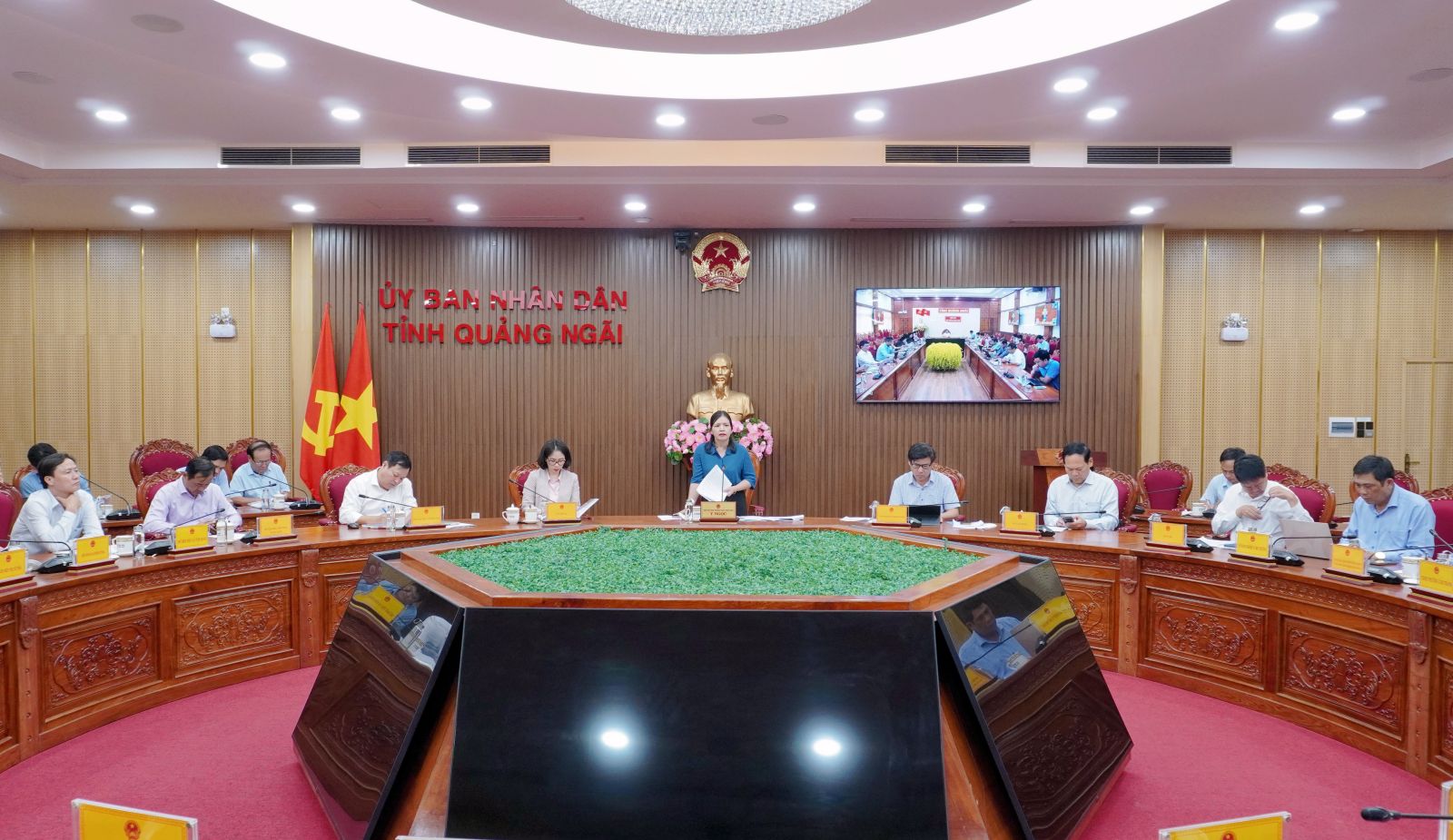
Provincial People's Committee leaders review and provide directions on vocational training, employment, gender equality, and occupational safety across the province
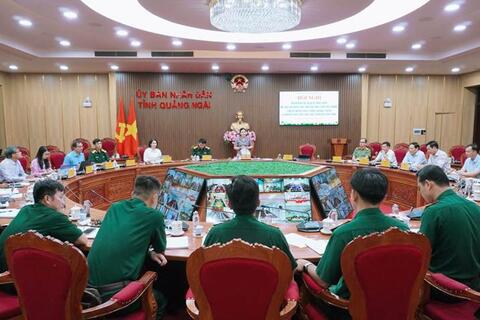
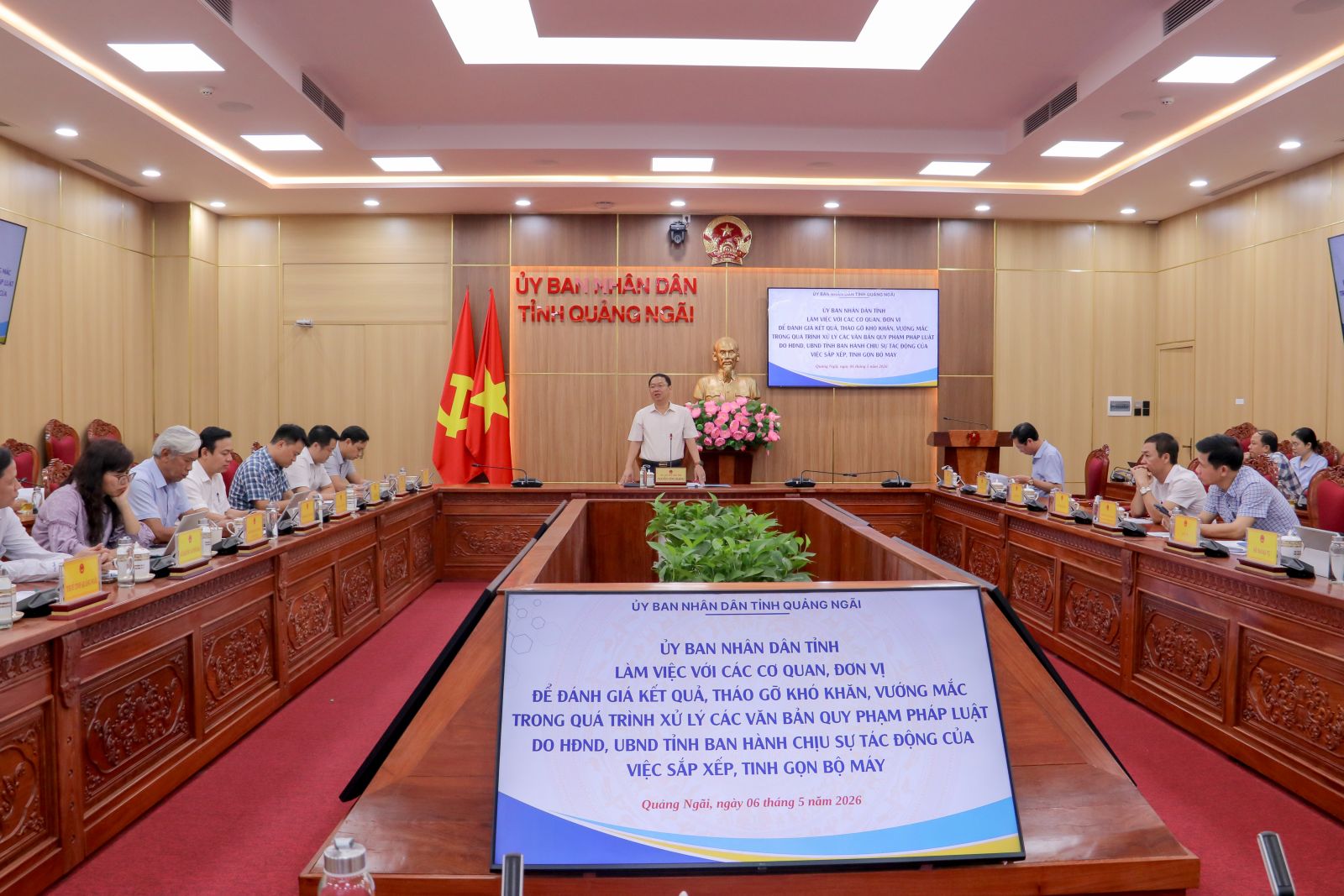
QUẢNG NGÃI —Standing Vice Chairwoman of the VX 88 nhà cái Provincial People’s Committee Y Ngọc chaired a meeting on April 15 to review and provide directions on vocational training, employment, gender equality, and occupational safety across the province.
The meeting was attended by leaders of provincial departments, agencies and localities.
According to reports, labour, employment and occupational safety work in 2025 recorded positive results.
The labour market has gradually developed, while job matching activities have been strengthened through flexible formats.
A total of 46 job fairs, employment exchanges and career counselling events were organised, attracting more than 25,000 participants seeking job opportunities.
Efforts to send Vietnamese workers abroad continued to receive attention, with over 1,300 labourers departing for overseas employment, surpassing the annual target.
In 2026, around 60 enterprises are expected to recruit more than 20,700 workers to meet production and business demands.
Job positions range from unskilled labour and technical workers to engineers and managerial roles, with average monthly incomes between VNĐ7 million and VNĐ15 million.
The province also successfully organised the 2026 Lunar New Year Job Fair in both eastern and western areas, drawing about 2,200 participants.
Of these, 624 applied and were interviewed for suitable positions, while 82 registered for overseas employment under labour contracts.
Meanwhile, occupational safety and hygiene have been strengthened through regular communication campaigns, inspections and guidance for enterprises to comply with legal regulations.
In vocational education, both training scale and quality have improved, with training structures increasingly aligned with labour market demand.
The network of vocational education institutions has been reorganised and consolidated.
In 2025, more than 9,200 students were enrolled, with approximately 85 per cent securing employment after graduation.
Gender equality efforts have also been implemented comprehensively, contributing to improved public awareness and a gradual narrowing of gender gaps.
The role and position of women have been increasingly affirmed across various sectors, while policies supporting and protecting women and children have been effectively carried out.
However, challenges remain, including localised imbalances in labour supply and demand, limitations in training quality in certain sectors, inadequate and deteriorating infrastructure at some vocational institutions, and inconsistent compliance with labour safety regulations among some enterprises.
At the meeting, participants discussed these shortcomings and proposed solutions to enhance the effectiveness of vocational training, job creation, labour safety and gender equality in the coming period.
Concluding the meeting, Ngọc acknowledged the progress made; however, she pointed out the need for stronger engagement from local authorities, improved training capacity, and more effective communication efforts.
She urged the Provincial Department of Home Affairs to review existing programmes and plans, strengthen labour market connectivity, improve the performance of employment service centres, and enhance labour market information both domestically and internationally.
Local authorities were also requested to coordinate closely with vocational institutions, facilitate access to training for workers, particularly rural labourers and youth, and align training plans with enterprise demand.
In addition, they were encouraged to mobilise resources, promote digital transformation in the labour sector, ensure workplace safety, and effectively implement gender equality policies.
M.H